Have you forgotten your password?
Definition: Bisphenol A (BPA) is a component of plastics that are used in food and drink packaging.
Background: Concerns have been raised
about its safety and a number of organisations around the world have suggested
that its use should be banned for food contact products.
1. What is Bisphenol A (BPA)?
Bisphenol A is a chemical used to make a number of plastics, particularly polycarbonates, polyesters and epoxy resins. Global production is around 3 million tonnes a year.
Bisphenol A is permitted for use in packaging materials under Directive 2002/72 on materials and articles in contact with food.
Polycarbonate is used to make food containers, such as water bottles, tableware (plates and mugs), storage containers and baby feeding bottles. Epoxy resins are used to line food and beverage cans.
In recycling terms
polycarbonate is included under raw material number 7 – other plastics.
2. Does Bisphenol A pose a health risk?
Scientists agree that in studies on Bisphenol A in animals, it has been shown to be a chemical which can interact with the hormone system. In particular, it can mimic the sex hormones. However, the levels that are found in food and water are many times less than those used in the experiments. Bisphenol A has been the subject of nearly 1000 scientific papers and on the basis of all this evidence the European Food Safety Authority has set a Tolerable Daily Intake[1] for Bisphenol A of 0.05 milligram per kilogram bodyweight. It has also carried out studies to estimate how much Bisphenol A people consume and has estimated this to be between 0.00048 – 0.0016 mg/kg bodyweight per day.
1.
How is it connected to bottled water?
Polycarbonate is strong, clear and impact resistant which makes it an ideal material for making the 18 litre bottles used for bottled water in coolers. Tiny quantities of Bisphenol A migrate from the bottle into the water. To give an idea of the levels that are found in water, a study by the Food and Drug Administration (FDA) in the USA found only very low amounts ranging from 0.0001 to .0047 parts per million (milligrams per kilogram) in water that had been stored in 22[2] litre polycarbonate bottles for up to 39 weeks.
Even
using the worst case from the measurements of the FDA, a 60 kg person would have
to consume 30 whole bottles (that’s 22 litre bottles not 500 ml bottles) of
water a day in order to reach their TDI.
2.
Is Bisphenol A used in vending cups?
Vending cups are made of polystyrene or paper. Bisphenol A is not used in the manufacture of either type of cup.
On the bottom of the
plastic cups you will see that the raw material number is 06 whereas it is 07
for polycarbonate.
3. What about PLA cups (for cold drinks)?
PLA cups are made of
polylactic acid, not polycarbonate but their raw material number is also 07. Not all plastics labelled with the number 07
are made of polycarbonate. 07 is the raw material number for "OTHER",
which includes lots of different materials.
4. Is Bisphenol A used in vending machines?
Some vending machines have
components that are made of polycarbonate.
Some ingredient canisters are made from polycarbonate. The migration
from these canisters into the ingredient has not been measured but will be many
times less than the migration into liquid in bottles.
5. Are there alternatives to Bisphenol A?
Research is continuing into alternatives to Bisphenol A but any new material will be subject to rigorous approval procedures that will take many years. Even then it will not be as well understood as Bisphenol A.
[1] The TDI is an estimate of the amount of a substance,
expressed on a body weight basis that can be ingested daily over a lifetime
without appreciable risk. EFSA found
that intakes of BPA through food and drink were well below the TDI, even for
infants and children.
[2] Bottles differ in size between the USA and Europe - 18
litres in Europe and 6 gallons (22.25l) in the USA
Tea Connoisseurs are aware that boiling hard water can result in cloudy tea
with an unpleasant surface film, impaired taste and an accumulation
of
limescale in the kettle.One solution could be the Bellima water fan which prevents surface film and cloudiness in tea. The Bellima water fan reduces hardness and traces of heavy metals, avoids calcium built-up, is pH neutral and adds valuable potassium and citrate, resulting in a pure taste.
Bellima is made of renewable raw materials and is environmentally friendly as the used filter can be disposed with waste paper or organic waste.
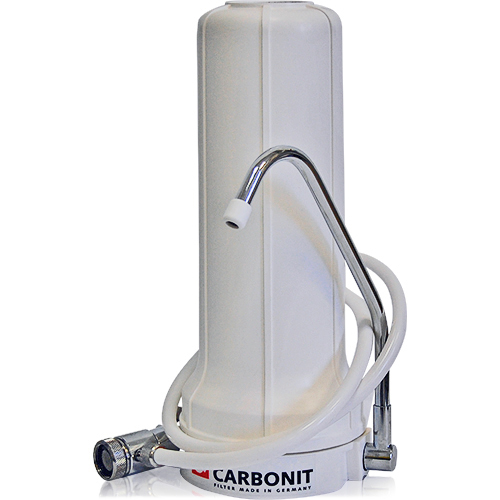
No single water treatment technology is effective in treating all
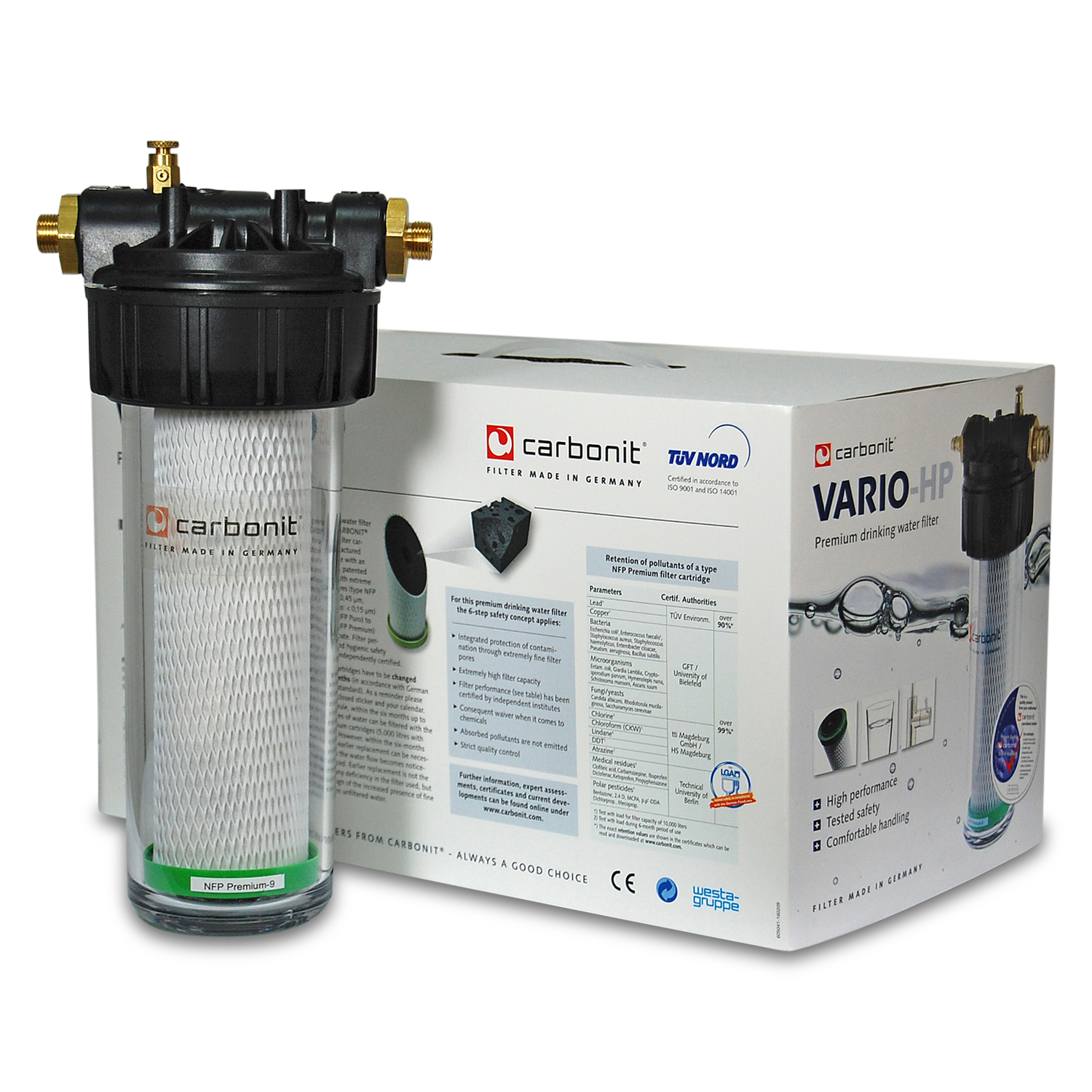
water problems, although the CARBONIT Monoblock® Filter is quite close
to an ideal product. We are the only producer of activated carbon block
filters outside North America.
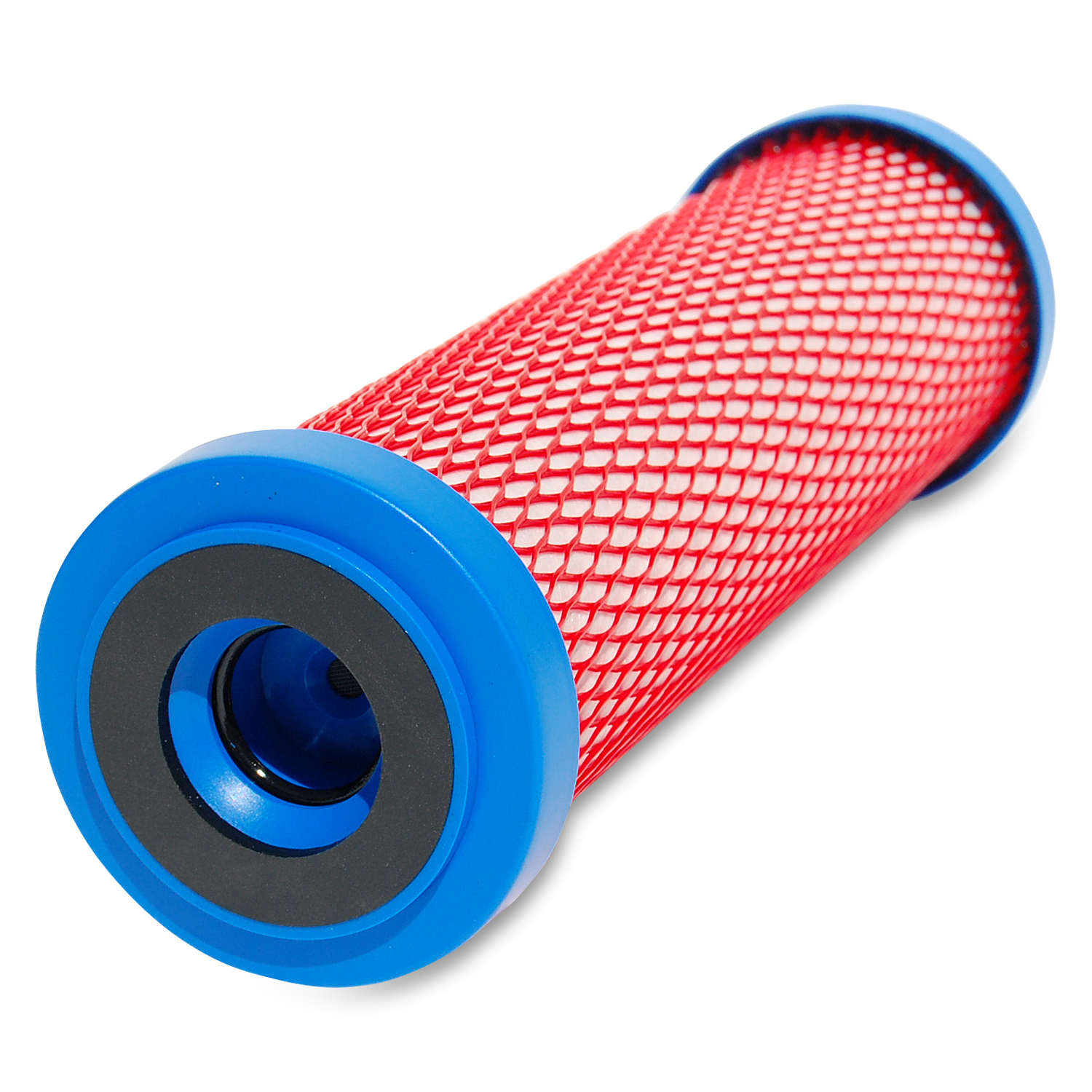
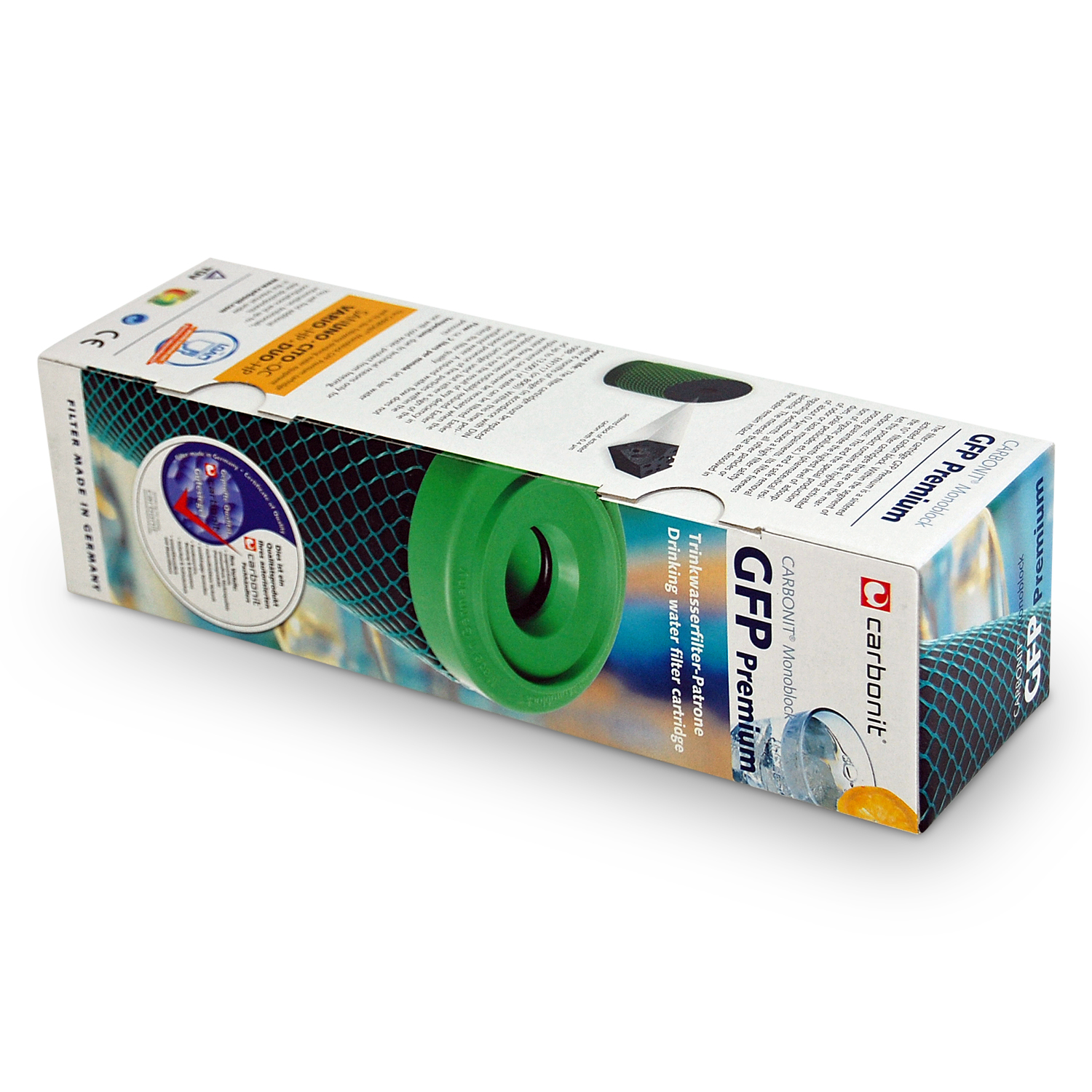
The replaceable filter has been formulated of approved materials to provide the highest quality drinking water without removing the healthful, natural minerals. Our products combine adsorption against most health-related contaminants with mechanical filtration against disease-causing organisms like Cryptosporidium.
Water enters the filter through a pre-filterlayer. Then the water passes through the highly compacted solid carbon block filter media which is a blend of selected activated carbons and special binders.
Drinking Water Devices
How Technologies Compare
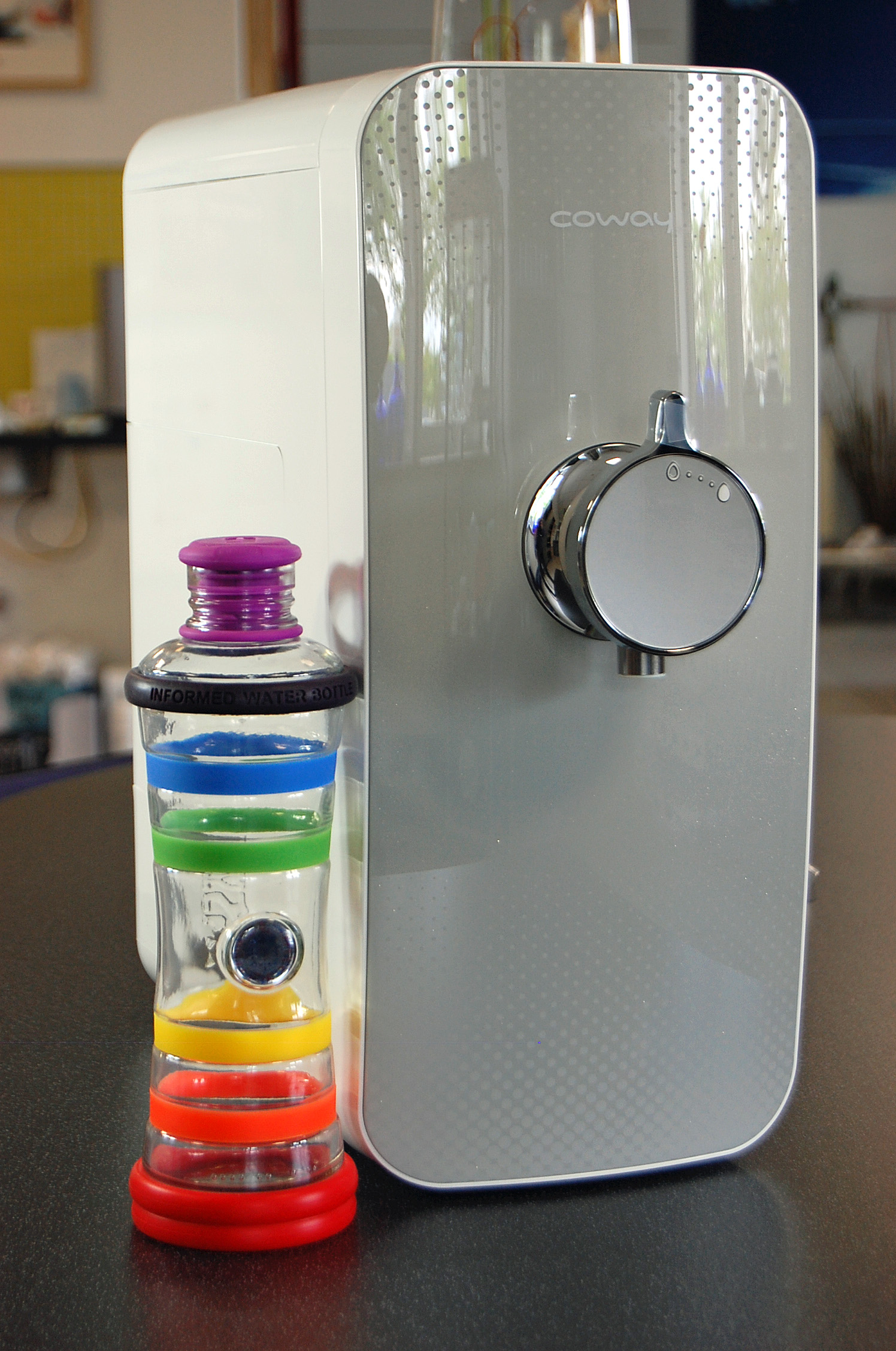
Reverse Osmosis (RO)
A process that reverses, by the application of pressure, the flow of water in a natural process of osmosis so that water passes from a more concentrated solution to a more dilute solution through a semi-permeable membrane. Most reverse osmosis systems incorporate pre- and post-filters along with the membrane itself.
Removes all minerals, including those which are essential to good health. Expensive to operate, RO Systems do not remove all bacteria and chemicals. Much water is wasted (3-6 gallons) to make only one gallon of water which is stored in a reservoir. The use of an activated carbon filter along with an RO is recommended.
Distillation
These systems heat water to the boiling point and then collect the water vapor as it condenses, leaving many of the contaminants behind, particularly the heavy metals. Some contaminants which convert readily into gases, such as volatile organic chemicals (VOCs), may be carried over with the water vapor.
Removes all minerals, including those which are beneficial to good health. Many chemicals are also vaporized; thus, Distillation does not remove all of the chemicals. Distillation also uses a lot of electricity, making it an expensive water treatment process.
Ultraviolet Treatment
This treatment uses ultraviolet light to disinfect water or reduce the amount of heterotrophic (non-harmful) bacteria. The effectiveness depends on the power of lamp used and the turbidity of the treated water (shadowing effect).
Water softeners
Most water softening devices use a cation exchange resin, regenerated with sodium chloride or potassium chloride, to reduce the amount of hardness (calcium, magnesium) in the water. The hardness ions in the water are replaced with sodium or potassium ions.
Softeners are neither filters nor purifiers and are used only to change the water hardness. It is recommended that water softeners be bypassed when installing a water filter. (Not For Use In Treating Drinking Water)
Ceramic filters/Polyfibres
Mechanical filtration only; does not remove volatile organic chemicals, trihalomethanes (THMs), or lead. Polyfibres are subject to bacteriological growth on their surface resulting in slow filtration.
Granular activated carbon filters (GAC)
Water drips through a pitcher by gravity. These filters typically have a lower capacity (i.e. can filter fewer liters) than other types of systems. Water passes around the carbon instead of through it, trapping dirt, rust, sand, and silt and removing the taste and odor of chlorine and other odors. Water can channel around carbon granules, thus avoiding filtration.
Very often Silver Nitrate (known to be a toxic substance) is added to a GAC filter (Bacteriostatic Filters) to inhibit the growth of bacteria; however, its effectiveness is questionable. The addition of Silver does not improve the ability of the unit to physically remove bacteria or other contaminants, especially chemicals. The Federal Trade Commission reported ?studies on the effectiveness of bacteriostatic filters have shown unpromising results as to their ability to control bacterial growth?.
Carbon block filter (extruded/sintered)
Considered to be the most effective method for reducing a wide range of contaminants of health concern. The carbon is compacted into a dense structure causing every molecule of water to be forced through microscopic pores of carbon, effectively reducing the pollutants, which may be present in the water. Does not remove essential trace minerals or add salt or silver to the water.
Carbon block filters use mechanical filtration and adsorption to filter water. Adsorption describes the physical process which occurs when liquids, gases, and dissolved or suspended matter adhere to the surface of, or in the pores of, adsorbent medium. The ratio of mechanical straining (filter porosity) and adsorption is much better with sintered block filters.